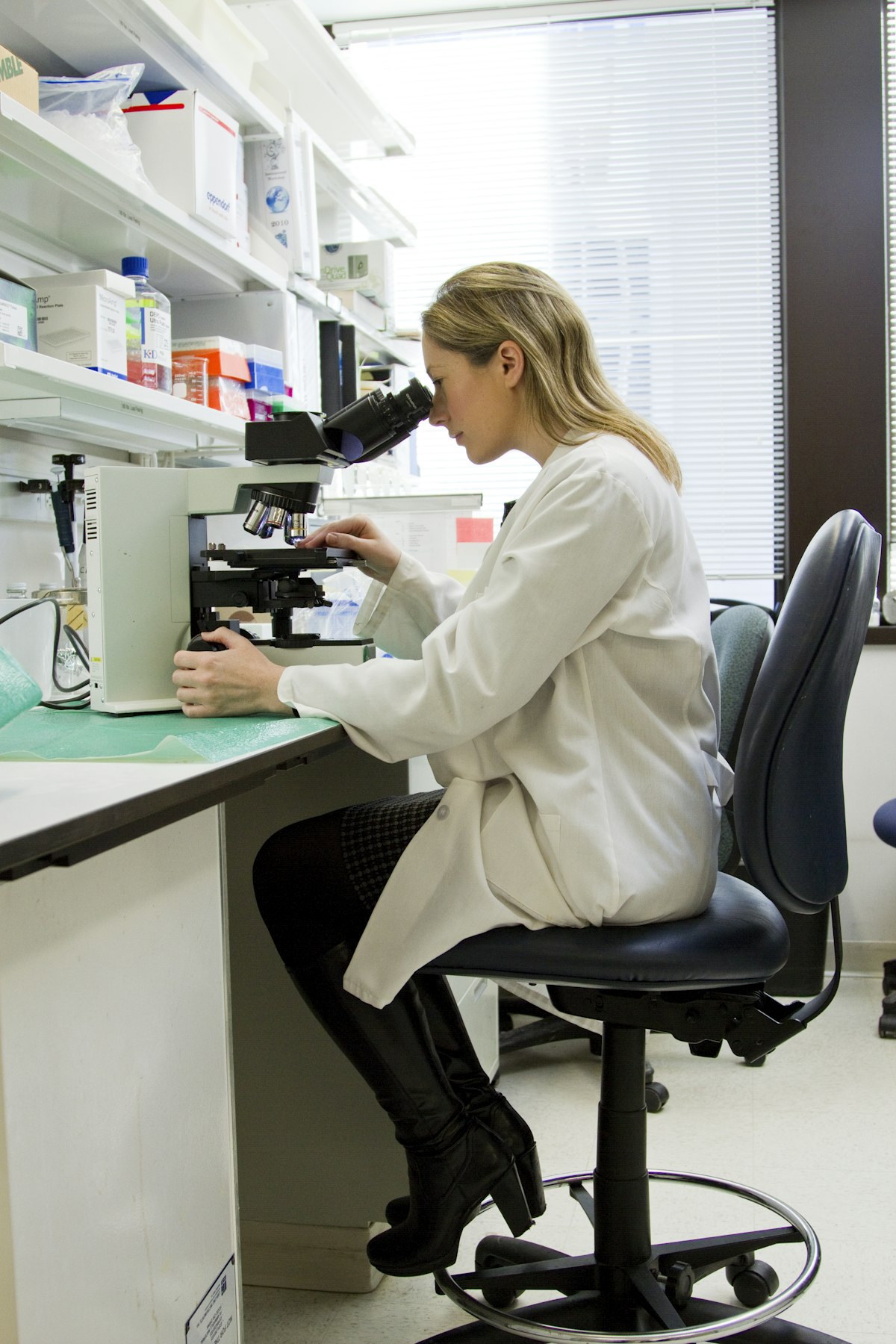
On 18 September 2026, Reuters exclusively reported that Anthropic has quietly set up a physical biology laboratory in the San Francisco Bay Area as it pushes AI ambitions into drug science. In an interview, life-sciences head Eric Kauderer-Abrams confirmed the wet lab: “to do biology, the final test is still and will be for a while in real lab work.”
A spokesperson later clarified that the lab is not specifically for drug discovery, without elaborating. Still, the company has publicly said it wants to unlock treatments for rare or neglected diseases, and its biology work has moved beyond in-silico evaluations. Some work happens in-house and some with external partners—a pattern typical of biotechs.
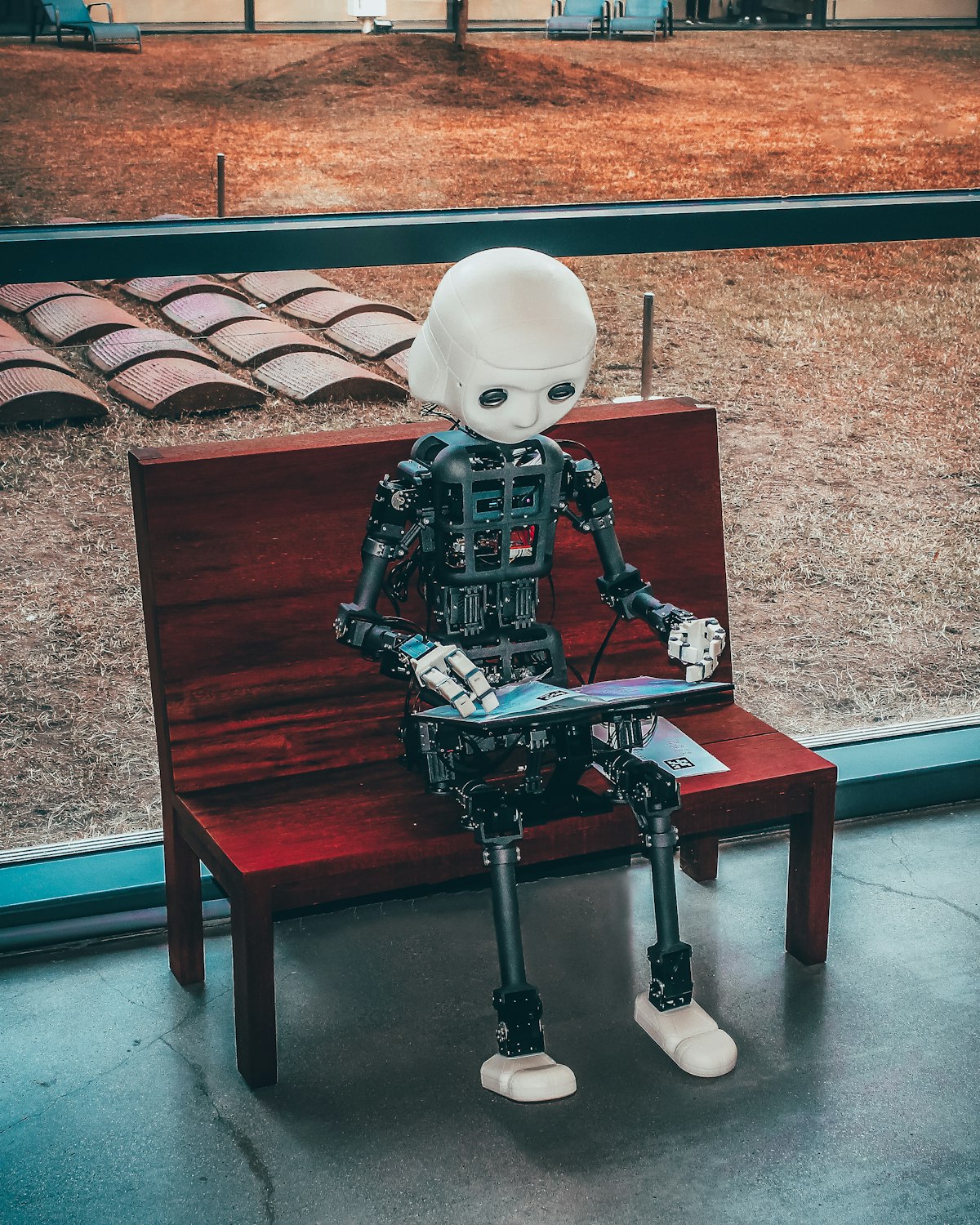
According to people familiar with the effort, Anthropic wants to push how far Claude can direct robotic units to run experiments with limited human intervention, while still treating human oversight as essential for safety. In August it launched the Model Hardware Standard to help AI operate equipment; academia has separately explored stacks such as PyLabRobot.
Dario Amodei’s personal context shapes the narrative: he has written about his father’s death from a disease shortly before a cure arrived. Kauderer-Abrams frames the mission: the biggest upside for beneficial AI is in the life sciences, and that motivates the investment. Life sciences is already one of Anthropic’s largest areas by headcount and resources.
The company acquired Coefficient Bio (about $400 million in stock per reports; Anthropic confirmed the deal without commenting on price) and added Novartis CEO Vas Narasimhan to its board. It launched Claude Science and, at a June San Francisco event, Kauderer-Abrams said Anthropic would do preclinical work in areas traditional industry finds financially unattractive.
Technical aims include conditions once seen as “undruggable,” for example speeding discovery of bi- and trispecific antibodies. Anthropic provides tools and services to pharmas such as Genentech (Roche), Bristol Myers Squibb and Novo Nordisk, while navigating customer fear that it might learn from competing programs—even as it says customer data is walled off.
Kauderer-Abrams drew a strategic boundary: for now Anthropic is not running clinical trials or competing with pharma on bringing drugs to market. Alphabet’s Isomorphic Labs has worked for years to reach the clinic and delayed goals toward late 2026, illustrating how long the path remains after a molecule is identified.
The disclosure lands at a politically delicate moment for Anthropic: researcher warnings of existential risk, findings about potential biological-weapons misuse (met with some skepticism), calls for a slowdown, and preparation for a potentially massive IPO. The wet lab is both a proof of tangible benefit and a reputational minefield if biosafety goes wrong.
For dual-use regulators, a frontier lab with robots directed by a frontier model demands access controls, order screening and strict separation between therapeutic research and dangerous capabilities. Anthropic says it balances improving models for medicines with careful deployment; critics will demand external audits, not only promises.
Neural Pulse highlights the shift from “AI that predicts proteins” to “AI that operates the lab bench.” That physical jump turns model labs into biotech actors, with implications for liability, export controls and robotic-agent governance.
Open questions remain on specific diseases, measurable progress and how much of the wet lab is showroom versus real throughput. Job posts in procurement, protein/nucleic-acid characterization and “speed up life sciences by an order of magnitude” suggest intent to scale, not a symbolic pilot.
In short, as of mid-September 2026 Anthropic confirmed a Bay Area wet lab where Claude and robots take part in biological experiments under human oversight, without its own clinical trials for now and with an explicit ambition around neglected diseases.
We will track hiring, pharma partnerships, Model Hardware Standard updates and any biosafety framework the company publishes—or regulators demand after the U.K. hearing and European RFIs.
If the lab delivers on Kauderer-Abrams’s promise, it will be one of the most concrete cases of frontier AI applied to reducing human suffering—and one of the most watched for dual-use risk.