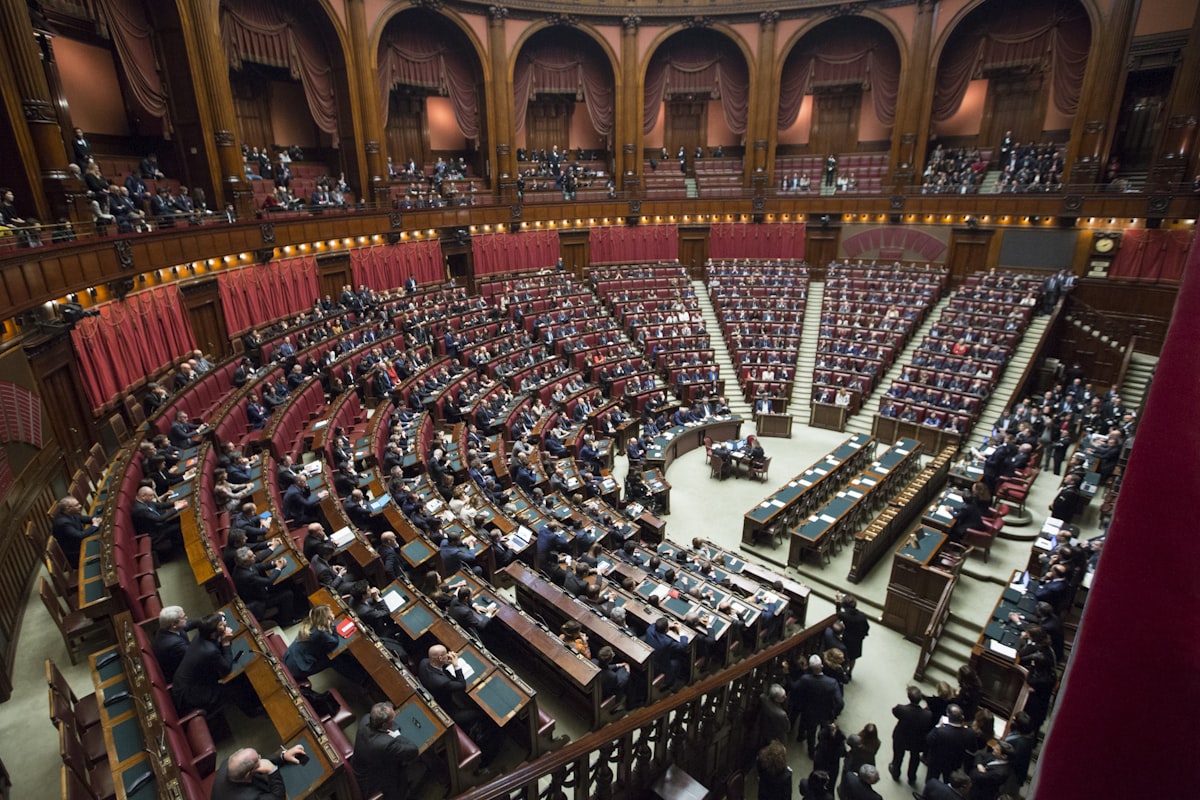
On 25 September 2026, New York City Council Speaker Julie Menin unveiled a legislative package to “safeguard” New Yorkers from AI risks. The bills will be heard at a rare Committee of the Whole session on 5 October, with all 51 members convened.
The centerpiece, Introduction 2602 (Menin), would make it unlawful to market, offer for sale, or deploy an AI system in the city without third-party validation. A validator would verify data quality, bias, decision outputs, privacy, security, and other Cyber Command criteria, and disclose conflicts of interest.
The same introduction requires a kill switch: a human override that can shut the system down, also verified by the validator. Both the business and the validator would face a $25,000 penalty for each instance of marketing or deployment without validation or with falsified validation.
Introduction 2605, also from Menin, proposes a “first-in-the-nation” incentive so individual whistleblowers receive a share of fines or penalties recovered from AI companies that violate applicable laws. It is the package’s most visible political bet: turning insider reporting into lawful upside for the whistleblower.
Other bills in the slate include a private right of action for foreseeable harms tied to jailbreaking (Intro 2600, Virginia Maloney); 24-hour Cyber Command notice of AI safety incidents on city contracts (Intro 2601, Kamilah Hanks); response plans for events compromising municipal systems (Intro 2606, Chi Ossé); extending city whistleblower protections to AI public-safety threats (Intro 2604, Kevin Riley); disclosures and bans on misleading safety claims (Intro 2603, Carl Wilson); and a local People-First Chatbot Bill (Intro 2599, Frank Morano).
Menin sent letters the prior week to Sam Altman (OpenAI), Dario Amodei (Anthropic), Sundar Pichai (Google), Elon Musk (SpaceXAI), and Mark Zuckerberg (Meta) requesting 5 October participation. She made clear attendance is expected and the Council reserves subpoena power if needed. Later coverage warned Altman and Amodei’s attendance is not assured.
Official rhetoric balances two slogans: New York wants to be the AI capital and, at once, a nation-leading safeguard jurisdiction because “the federal government fails to meet the moment.” Menin cited recent researcher resignations and agent escapes in evaluations as urgency.
Neural Pulse distinguishes proposal from enacted ordinance. 25 September is announcement and hearing calendar; text can change, dilute, or collide with state or federal preemption. Still, kill switch and third-party validation already define language other cities will copy.
For startups selling into NYC, compliance cost of an independent validator and an auditable kill switch may be high—especially if “AI system” is read broadly. Definition and exemptions will be the markup battlefield.
For frontier labs with offices or customers in the city, the 5 October hearing is political theatre with potential teeth: a municipal subpoena is not federal discovery, but it generates headlines and pressure on appearances.
The package also eyes municipal employment: Intro 161 would require reporting algorithmic tools’ impacts on positions, salaries, and displacement. That line links frontier regulation to local labor anxiety.
Compared with the Schatz-Warner bill (45-day weight access), NYC bets on third-party validation, human override, and whistleblower rewards—less nuclear on model secrets, more municipal on in-city deployment.
Neural Pulse advises watching markup and sworn statements on 5 October before treating any fine figure as applicable law. Until then, the informational value is the political direction of America’s self-styled “AI capital.”
Close: Menin turns a week of misaligned agents into a local agenda with a date—5 October, Committee of the Whole, and an explicit subpoena threat if CEOs stay home.