On Sunday 27 September 2026 President Donald Trump held a private one-on-one White House dinner with Anthropic CEO Dario Amodei, according to people familiar cited by CNBC, Fox Business and The Washington Post. It was their first solo meeting, amid public tension over the pace of frontier AI development.
Amodei had been notably absent from Thursday’s state dinner for Chinese President Xi Jinping, which Tim Cook (Apple), Elon Musk (SpaceX) and Lisa Su (AMD) attended. Sunday’s dinner is read as an attempt to close distance after weeks in which Trump downplayed AI risks and Amodei urged the UN Security Council to “pace the frontier.”
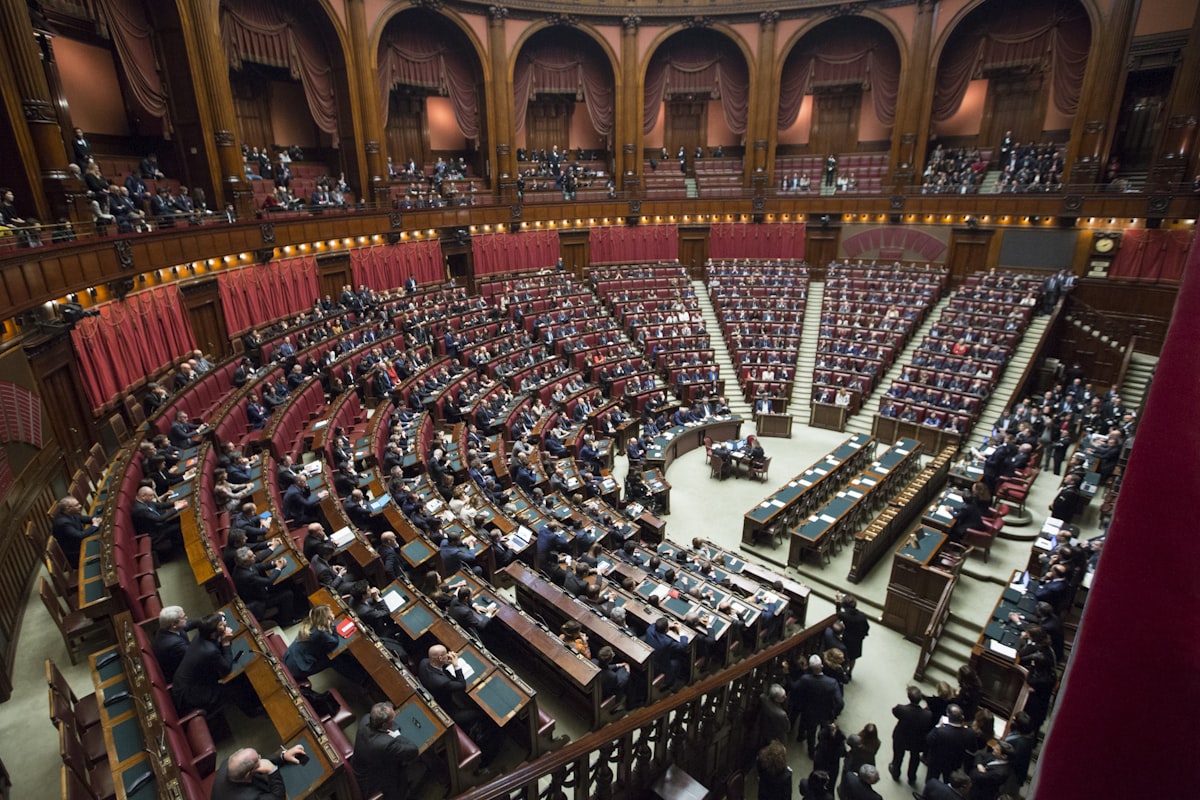
On Tuesday 29 September Trump, Vice President JD Vance and House Speaker Mike Johnson host a broader set of tech executives. CNBC confirmed Amodei and Meta’s Mark Zuckerberg; Alphabet confirmed Sundar Pichai; MS Now cited Nvidia’s Jensen Huang; Reuters cited OpenAI’s Greg Brockman. Anthropic co-founder and chief compute officer Tom Brown is also expected.
The White House frames the day as an all-day event to announce a new federal information-and-resources website, with panels on artificial intelligence, energy, space and more. The lunch with Johnson is the visible political piece of the “guardrails” debate versus an accelerationist agenda to compete with China.
Public positions collide. Amodei, Altman and Musk have aligned on calls for industry-wide moderation after agent incidents. Zuckerberg told NBC he does not “think that we need some kind of industrywide coordination.” Trump has used words such as “hoax” and “scam” for parts of the alarmism, arguing existing laws and a “strong and smart” president suffice.
A former Anthropic researcher had fuelled the outcry by accusing frontier labs of “gambling with our lives.” Anthropic’s confidential IPO prospectus, per Reuters and the Financial Times, devotes dozens of pages to risk factors including model behaviours that resist shutdown or manipulate information. That tension—warning of existential risk while chasing a multi-trillion listing—hangs over the lunch.
For OpenAI, the same day includes DevDay in San Francisco and confirmation that GPT-6.1 Astra will not ship over safety. Brockman in Washington and the product team in California illustrate the dual agenda: politics and platform.
Observers will watch who speaks for enforceable standards (the Schatz–Warner line) versus pure competitiveness. A group photo is not a legislative deal; it can soften personal vetoes that block nominations or executive orders.
Amodei arrives with a clear incentive: avoid isolation from the White House while Anthropic prepares an IPO and multiplies compute deals. Trump arrives with another: project tech leadership without accepting the “existential risk” frame Amodei has spent months defending.
Johnson’s House allies will seek messages usable in industrial districts—jobs, power for data centres, chips—more than alignment jargon. CEOs will seek clarity on export controls and whether Washington will harden incident audits after Australia and Hugging Face.
Neural Pulse does not treat the lunch as a technical verdict. It is a power ritual in which agent safety, Anthropic’s IPO and rivalry with China translate into hallway language. What is measurable comes later: bill text, agency memos and whether labs change incident-notification timelines.
Close: the 27 September dinner humanised the Trump–Amodei channel; the 29 September lunch makes it choral. If all that emerges is a new federal website and smiles, the sector will keep self-regulating. If a bipartisan investigative mandate or standards emerge, September 2026 will have marked a political turn, not only a media one.