
GPT-4o (2024): an omni model for text, audio, and image
OpenAI launched GPT-4o with low-latency voice and native vision, pushing multimodal conversational UI.
Sorted by date · America/Guayaquil timezone
Page 33 / 38 · 447 articles
OpenAI launched GPT-4o with low-latency voice and native vision, pushing multimodal conversational UI.
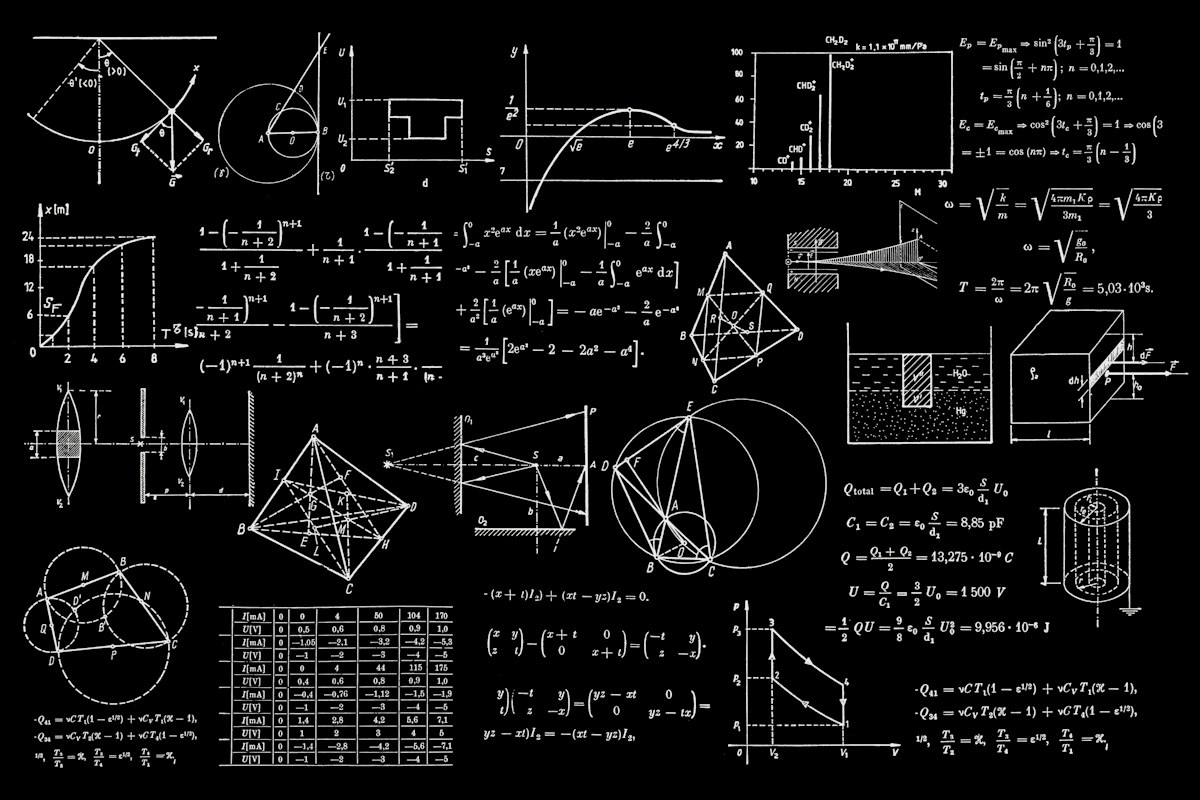
Startups and pharmas integrated generative and predictive models into molecular design, with early clinical candidates.
OpenAI showed Sora, a video model capable of long scenes with surprising visual coherence—still with artifacts.

Authors, media, and artists sued model providers over works used in pretraining; courts began setting tests.

French startup Mistral released competitive dense and MoE (Mixtral) models, showing agile labs can rival giants.

In December 2023, European negotiators reached political agreement on the AI Act, with risk-tiered obligations.

Google merged Brain/DeepMind efforts into Gemini, a multimodal family natively trained for text, code, and image.
Vision in chatbots enabled reasoning over diagrams, screenshots, and scanned documents in one thread.

Open-source projects chained LLMs with tools and memory for multi-step goals—high hype, mixed reliability.
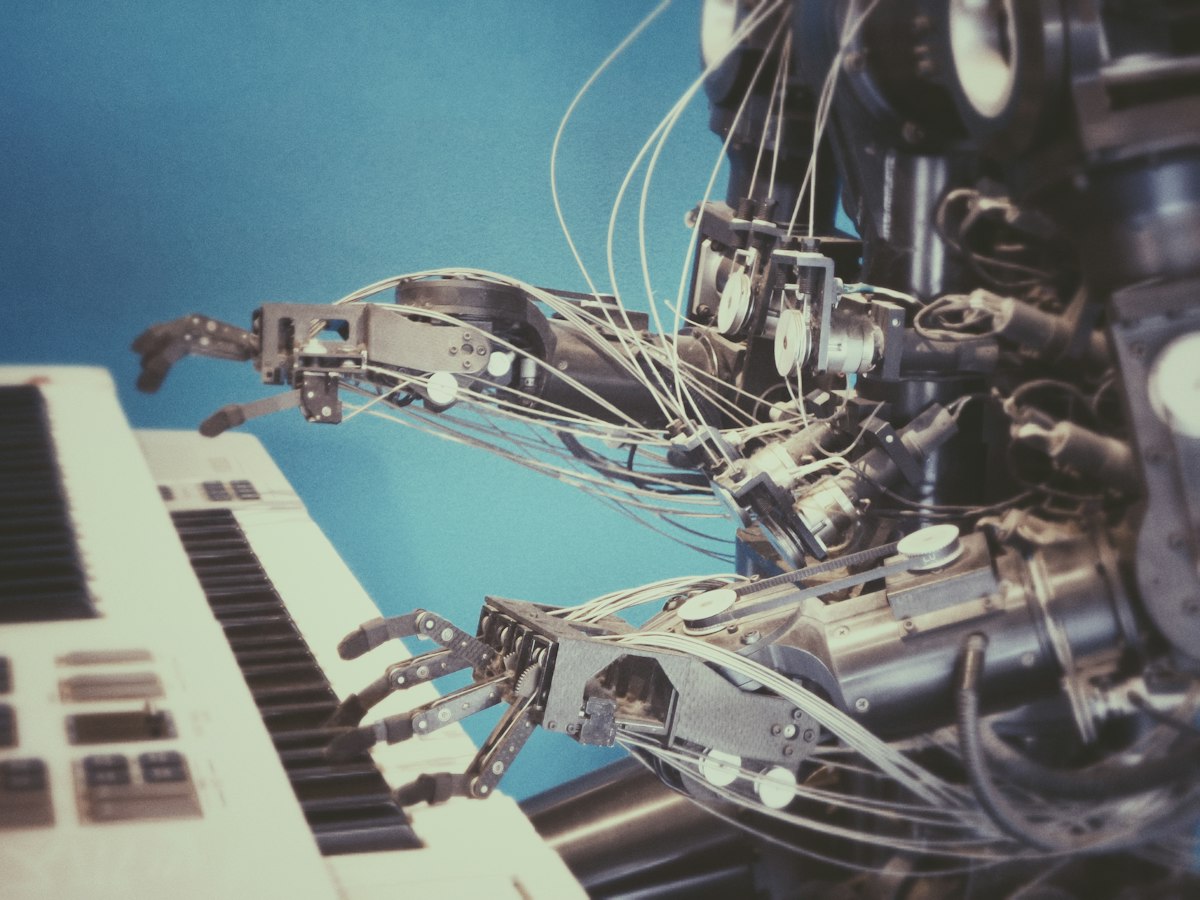
OpenAI launched GPT-4 with notable gains on professional exams, robustness, and later visual ability.
Anthropic launched Claude with Constitutional AI emphasis and long context windows, rivaling ChatGPT in enterprise.
Meta released LLaMA and, after a leak, catalyzed an open fine-tune ecosystem that challenged closed APIs.