On October 8, 2026, Anthropic published a new version of its usage policy, the document that sets out what customers and users can and cannot do with Claude models. The company reviews these rules every year and explains that most of the changes are meant to clarify existing rules. The updated version will take effect on November 12, together with a revised supported regions policy.
The context has changed a lot in a year. According to Anthropic, Claude now takes on longer, more independent work, and the update includes new examples showing how the rules apply to those capabilities. The revision also draws on patterns of misuse observed in influence operations, weapons development and surveillance, documented in the company’s latest threat intelligence report, and adds requirements for high-risk use cases and for uses in which Claude controls physical actions.
The most visible structural change is a section titled “Do Not Engage in Deceptive Campaigns or Artificial Activity.” Anthropic explains that it has seen state media outlets, government propaganda offices and commercial firms use Claude to run networks of fake accounts and fabricated news sites. That conduct was already prohibited, but the restrictions were scattered across the elections, fraud, privacy and disinformation sections.
The new section applies to deceptive activity of any kind, whether political or commercial. It covers efforts to obscure who is behind a message, the amplification of content through fake accounts or posts, and the building of tools and infrastructure for running influence campaigns. The change arrived on the same day another lab, OpenAI, detailed the shutdown of accounts linked to Russian and Iranian operations, illustrating how much the problem worries the industry.
The elections section has also been refocused. It is now called “Do Not Undermine Democratic Processes” and concentrates specifically on preventing the use of Claude to deceive voters or disrupt elections: spreading false information about candidates or how to vote, impersonating candidates or election officials, or trying to suppress turnout. At the same time, Anthropic has removed its blanket prohibition on personalized vote and campaign targeting.
The company justifies that removal with concrete examples: the previous prohibition covered legitimate civic work, such as nonprofits using Claude to write voter information in other languages or election officials sending ballot cure notices. The behaviors that motivated the original rule, such as targeting that relies on deception or the misuse of voters’ personal data, remain prohibited under the deceptive campaigns, surveillance and privacy sections.
On weapons, the policy has always prohibited using Claude to develop them. Anthropic explains that it has recently seen attempts to use its models to build guidance and control software for weapons, so the updated section makes clear that the prohibition includes the software and components that make a weapon work, as well as actions like arming drones and other autonomous vehicles. According to the company, these changes reflect how it already enforced the previous policy.
The surveillance and criminal justice section has been rewritten in more precise language. Anthropic’s September threat report documented the growing use of AI to build systems that identify and track political dissidents. It is now prohibited to track people without their consent, whether in real time or by analyzing previously collected data; to use Claude to decide or recommend who to investigate, arrest or charge; and to build or improve tools designed for surveillance.
Anthropic insists that this update does not change what it enforces in practice, but makes the policy more explicit. The new wording also lists uses that remain permitted, such as tracking that people have agreed to, for example in fraud monitoring, as well as content moderation, journalism and legal research.
For high-risk use cases, meaning uses that can affect a person’s health, legal rights, finances, livelihood or access to essential services, the requirement for a qualified “human in the loop,” with authority to review and change Claude’s recommendations, remains in place, as does the obligation to tell the affected person that AI was used. What changes is the wording: the section now lists which kinds of recommendations are covered and which are not.
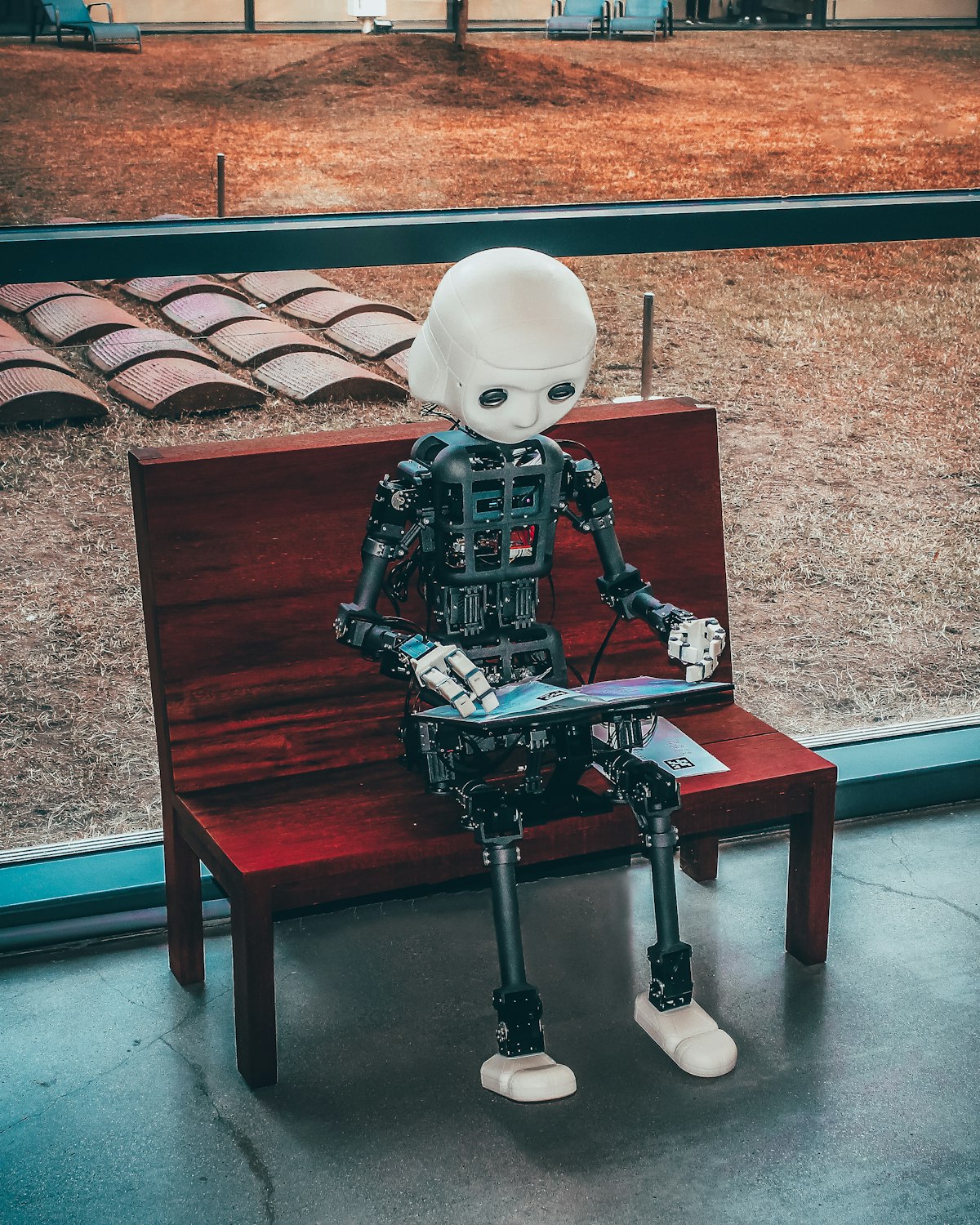
One substantive addition concerns robotics. Following the launch of its Model Hardware Standard, Anthropic adds requirements for when its models are connected to equipment that takes autonomous physical actions and might be capable of causing injury. A qualified operator must be able to observe the equipment and stop it if needed, and the device must be able to hold a safe state if Claude is disconnected.
The change that has drawn the most attention is the ban on sustained and needless abusive or cruel behavior toward the models. Anthropic specifies that it will apply only in extreme cases, where a user repeatedly acts cruelly with no discernible purpose, and that it does not cover ordinary frustration, pushback, dark creative themes, or model testing and research. TechCrunch noted that since August Claude has been able to end persistently abusive conversations, and the company says that ability will remain the primary enforcement mechanism.
The supported regions policy has also been clarified. Anthropic prohibits the use of Claude by people physically located in an unsupported region, by entities incorporated or headquartered in those regions, and by entities that are majority-owned or controlled by persons or entities in those territories. Last year it had already restricted access for companies majority-owned by entities headquartered in unsupported regions; now it details how it enforces that rule.
In short, Anthropic’s update combines regulatory housekeeping with responses to new risks: automated influence campaigns, weapons guidance software, surveillance of dissidents and models that move machines. The ban on abusing Claude opens a different debate about how AI systems should be treated. The company promises to keep revising the policy as capabilities and risks change, with input from policymakers, experts, civil society and users.