On September 9, 2026, Google announced one of the largest infrastructure bets in its European history: at least €13 billion—about $15.1 billion—in AI capacity in Finland between 2027 and 2028. The company cast it as its largest single investment in the European Union, a political message as much as an industrial one.
The plan includes new data centers in Kajaani, Muhos, and Vaala, plus expanding the existing footprint in Hamina. Geography is not accidental: Finland’s cold climate cuts cooling cost, and the country’s low-carbon power mix has become a competitive edge versus regions with dirtier or more congested grids.
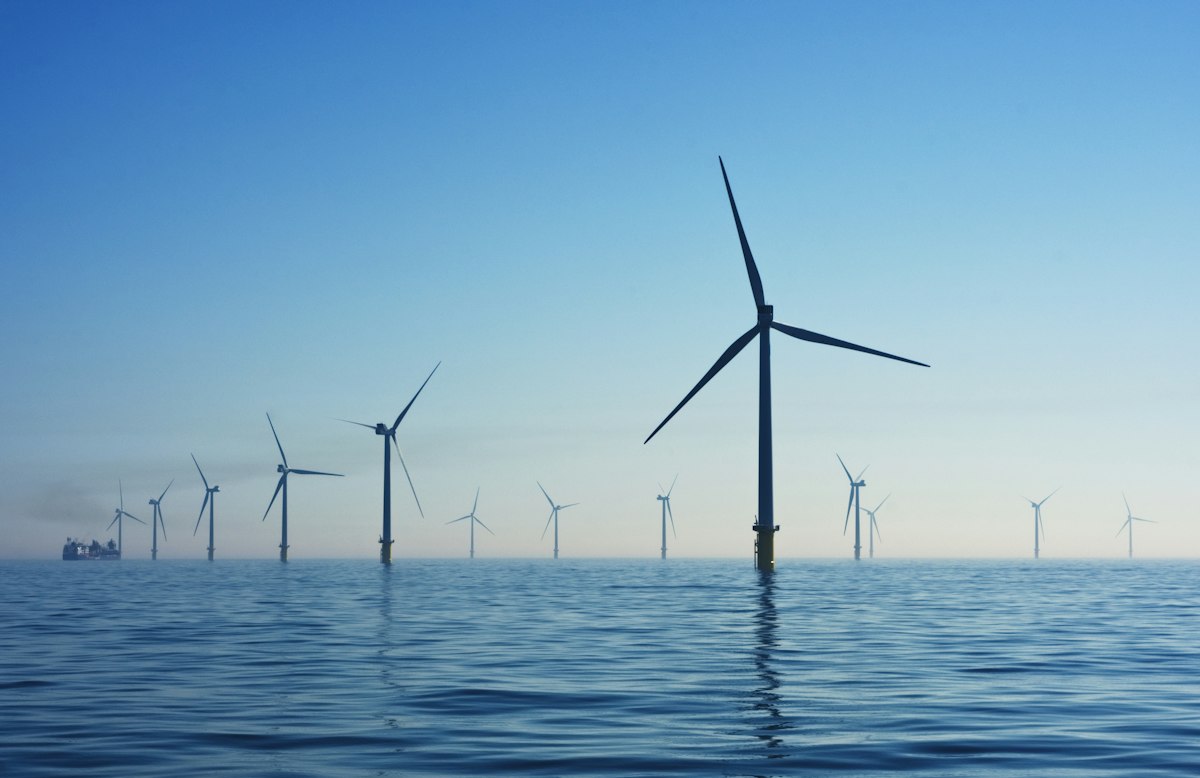
The energy centerpiece is a 22-year power purchase agreement (PPA) with Fortum for up to 50% of output from the Loviisa nuclear plant. That contract anchors firm, predictable megawatts—exactly what frontier training and inference clusters need when intermittent renewables alone are not enough.
Google projects on the order of €3.6 billion per year in GDP impact and more than 37,000 construction jobs at peak. Statistical offices and Finnish political opposition will scrutinize those figures, but the order of magnitude explains why Helsinki celebrates the announcement as industrial policy.
For the EU, the move arrives amid a race to keep AI compute inside the bloc versus the U.S. and the Middle East. A thirteen-billion-euro check in Northern Europe is also a reply to critics who say big tech treats the single market only as demand, not as a capex destination.
Environmentalists will debate the nuclear nuance: for some, Loviisa supplies firm electricity without combustion CO₂; for others, it extends dependencies and creates waste. Google aligns with the thesis that frontier AI needs clean baseload, not only photogenic solar PPAs.
Kajaani, Muhos, and Vaala will join the global “AI geography” map alongside Council Bluffs, The Dalles, or Hamina. Small municipalities will face housing, road, and services pressure during construction. Local success will depend on covenants that spread skilled jobs, not only temporary labor.
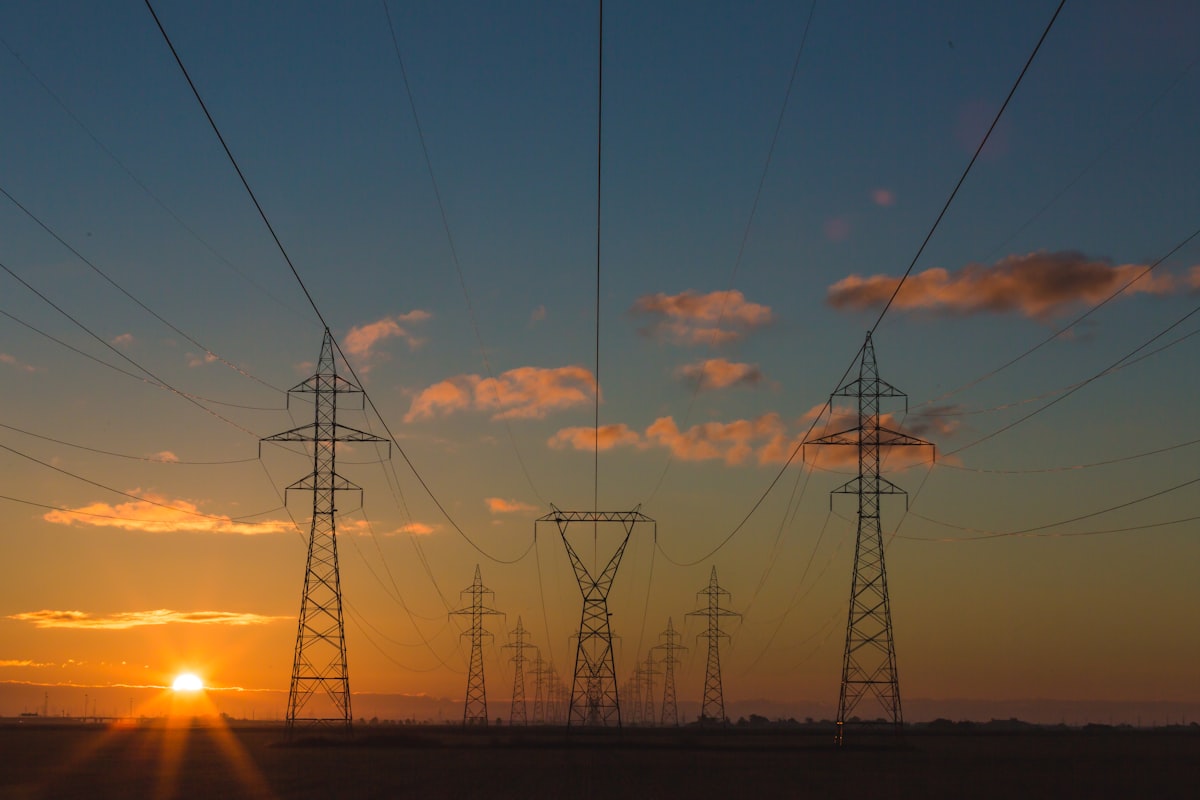
Competitors—Microsoft, Amazon, Meta, Oracle—are already hunting Nordic and Canadian megawatts. The Fortum PPA may foreshadow a wave of similar contracts in Sweden, Norway, or nuclear France. The 2027–2028 bottleneck is not only GPUs: it is interconnection, transformers, and permits.
On the product side, more Finland capacity will feed Gemini, Search, Cloud, and internal DeepMind loads. European Vertex and Workspace customers will read the announcement as a residency and latency signal; regulators, as a fact relevant to digital sovereignty.
Neural Pulse places the announcement beside the rest of the agentic week: while containment of agents is debated, Google secures the physical floor—electrons and concrete—without which there are no models to contain. Infrastructure and governance advance in parallel, sometimes without speaking to each other.
Risks: electrical-equipment supply-chain delays, local opposition, and the chance inference demand outruns even €13 billion. A 22-year PPA also bets that Loviisa remains operational and politically accepted for decades.
Opportunities for Nordic construction, liquid-cooling, physical-security, and networking vendors. Data-center energy-efficiency startups will have an anchor customer. Finnish universities can negotiate compute access in exchange for talent.
Closing: ≥€13B in Finland with Fortum nuclear redraws Europe’s AI map. It is not a symbolic memo; it is capex with municipal coordinates and a named reactor. The EU gains an anchor; Google gains firm megawatts; cold climate becomes industrial policy again.
Next to watch: municipal permits, energization timelines for Kajaani/Muhos/Vaala, real employment metrics, and whether other hyperscalers answer with equivalent nuclear PPAs before 2027.