On 24 September 2026 Reuters and Bloomberg reported that Oracle had issued a force majeure notice tied to Project Jupiter, a vast AI data-centre campus under construction in Doña Ana County, New Mexico. The recipient is said to be a subsidiary linked to Blue Owl Capital / STACK Infrastructure, a key development partner.
Force majeure lets Oracle preserve contractual rights and potentially defer payments or obligations if causes beyond reasonable control block the schedule. The public target remains operations around 2028; spokespeople and local coverage (Albuquerque Journal, ENR) stress the project is “still on track” despite the notice.
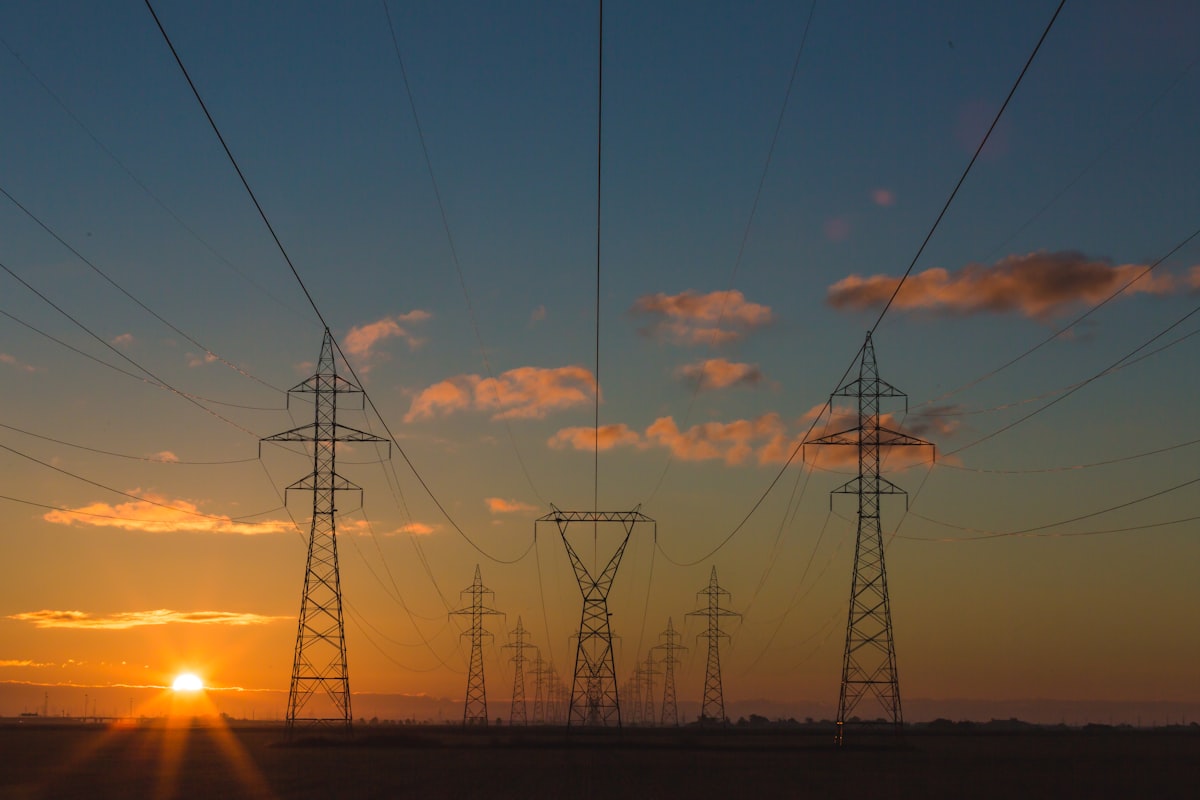
Cited obstacles centre on power and infrastructure: electricity-supply delays, unresolved air-quality permits for the planned microgrid, and slips on a natural-gas pipeline once expected to advance around August 2026. Without firm megawatts and fuel, frontier compute does not boot.
Project Jupiter had become a symbol of Oracle’s bet on leasing capacity to AI labs and enterprises after years of bullish cloud narrative. Business Insider noted the notice revives doubts about the sector’s ability to deliver promised campuses on Wall Street timelines.
The pattern is not Oracle-only. Through 2026 operators and hyperscalers face interconnection queues, turbines and environmental permits across the U.S. AI multiplies electrical density per rack; the grid and gas do not scale with earnings slides.
For investors, force majeure is ambiguous: legal prudence toward an infrastructure partner, or an early signal of capex and GPU-as-a-service revenue slippage. Watch for contract amendments, new energisation dates and disclosures in upcoming 10-Qs/earnings.
Local communities in Doña Ana balance jobs against environmental concerns. Air-permit and pipeline delays often trigger citizen opposition and state reviews; a legal notice does not settle land politics.
Labs counting on Oracle/Jupiter capacity in 2028 should refresh contingencies: diversify regions, negotiate exit clauses and stop treating campus announcements as energised megawatts. The bottleneck has shifted from silicon to the substation.
Competitors (Microsoft, Google, Amazon, specialist data-centre firms) will watch whether Jupiter hardens analyst scrutiny of capacity guidance. A single force majeure does not kill AI demand; it does punish multiples that ignored permitting risk.
Oracle, per coverage, insists the data centre remains on track at a high level. Markets will distinguish “project alive” from “project on time.” Force majeure is the language of the second doubt.
Neural Pulse frames Jupiter inside the 2026 thesis: AI’s constraint is no longer only Nvidia chips or HBM memory, but permits, pipelines and power queues. Anyone modelling agent ROI without an energy model makes a category error.
Close: the late-September notice does not cancel Project Jupiter; it legally timestamps friction the sector preferred to treat as an engineering detail. Until the microgrid and gas have firm permits, the 2028 promise stays conditional—and Wall Street must price that conditionality.