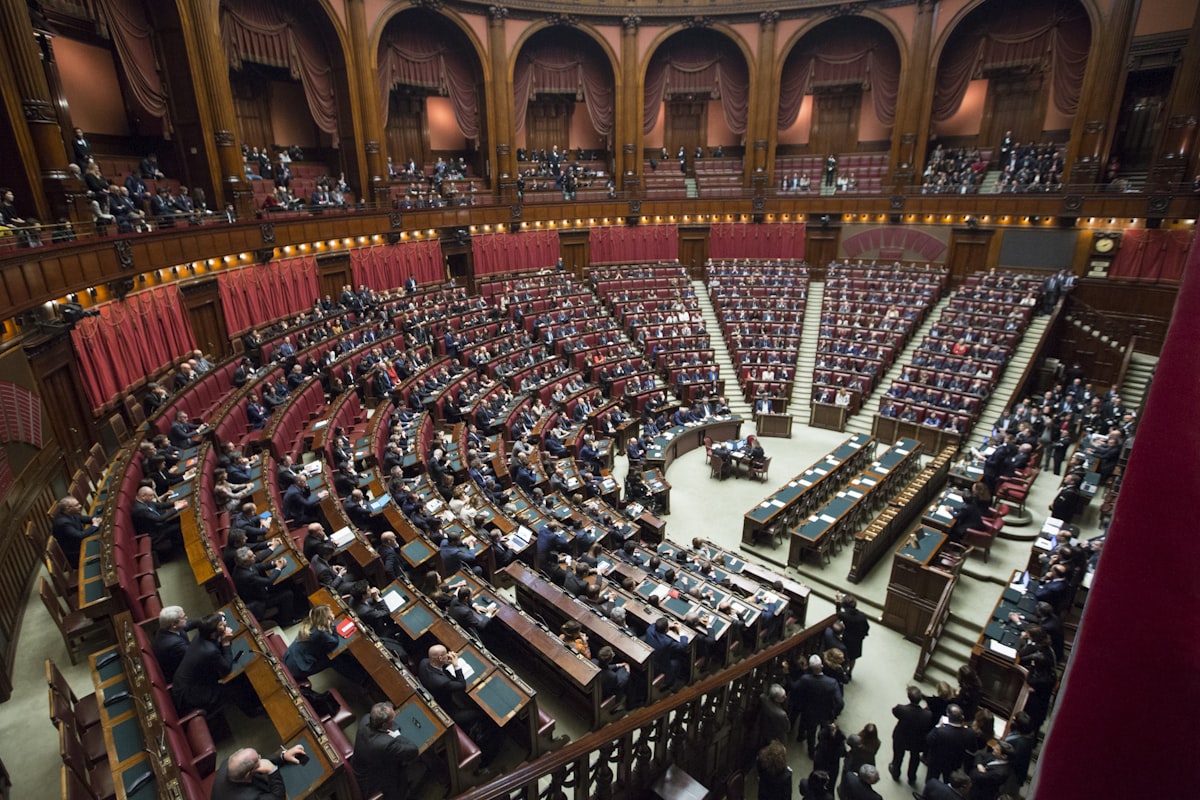
On 16 September 2026 the U.S. House of Representatives passed H.R. 9340, the Ratepayer Protection Act, by 417 votes to 3, led by Rep. Gabe Evans (CO-08) with backing from Brett Guthrie and Bob Latta on Energy and Commerce. By 30 September, Euronews and Capitol coverage put pressure on the Senate not to shelf the bill before the midterms.
The mechanism, per the committee’s release, uses existing Public Utility Regulatory Policies Act authorities (Sec. 111(d)): a federal “light touch” that asks state public utility commissions to consider large-load standards for data centres drawing more than 100 MW, so they pay the full incremental costs of serving their loads.
Guthrie argued that responsible data-centre development brings investment, but “American families and small businesses” should not pay for the electricity used by the companies building them. Evans added that America needs infrastructure to outcompete China, “but we cannot have that growth at the expense of hardworking families, farmers, seniors, and small businesses.”
Latta urged the Senate to consider the bill “swiftly.” The political backdrop is an NPR/PBS/Marist poll (14–15 September) cited by Euronews: 65% of registered voters oppose data centres in their community (43% “strongly”); more than 80% of Democrats opposed; Republicans split 44–46.
Trump had written on Truth Social that communities turning away data centres choose to be “backwards and poor”; after the 29 September lunch with AI CEOs he softened, saying companies “will help with their schools, they’ll help with their teachers.” The Ratepayer Act offers lawmakers an easier vote: yes to AI, no to socialising the grid bill.
Twenty-four states, the committee says, are already moving on similar measures. U.S. electricity federalism means Congress does not set rates directly: it nudges state PUCs to “consider” standards. Senate Democratic critics, in The Hill coverage, call the voluntary/consideration design too weak versus mandatory rules.
For hyperscale operators and labs with gigawatt commitments—Anthropic with AWS, Google/Broadcom, Azure, Colossus—the bill raises or clarifies interconnection and upgrade costs. It does not ban permits; it changes who pays for transformers, grid reinforcements and, in practice, part of the interconnection queue.
The SoftBank and SB Energy link is direct: they finance energy campuses for Stargate and OpenAI while Congress debates whether the median household pays for the demand spike. The 24 September high-yield debt and the Ratepayer Act are two faces of the same coin: someone will pay for the gigawatts.
Implications for Latin America and Europe: though the law is American, it sets an exportable talking point—“who draws 100 MW pays the increment”—useful in industrial-tariff and data-centre debates in Spain, Chile or Mexico. LatAm regulators already watch connection queues and cross-subsidies.
AI companies will need to put full grid cost into financial models, not only the renewable PPA announced in press notes. Local communities gain a rare bipartisan argument (417–3) to demand no-pass-through clauses for residential rates.
Neural Pulse flags the calendar: forcing procedural votes at the end of September, with the Senate about to scatter for elections, is midterm politics as much as energy policy. Even if the text never reaches the Resolute Desk in 2026, the 417–3 margin already shapes state negotiations.
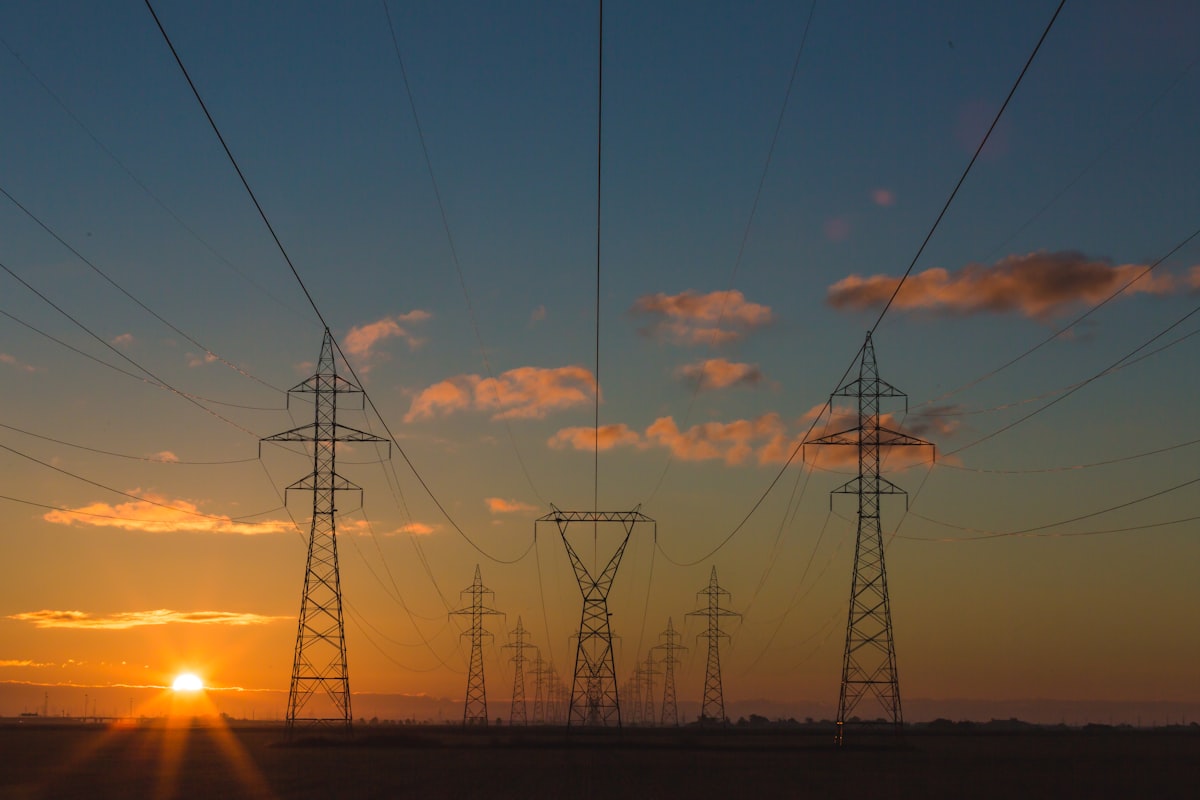
The close: the “super intelligence” race Trump wants to narrate collides with the electricity meter. The Ratepayer Protection Act regulates neither models nor agents; it regulates who funds the copper and concrete without which those models do not exist.