Odyssey-3, announced around 15 September 2026 and amplified in 17 September coverage, is a world model built on an autoregressive diffusion transformer with a frozen backbone and action decoders for robot arms, humanoids (Flexion), cars, drones, and games. Founders Oliver Cameron and Jeff Hawke, according to odyssey.systems, AI Insider, and Humanoids Daily, promise a public release «in the coming weeks» after showing sim-to-real transfers onto physical hardware.
The architecture combines a world model that predicts visual and physical dynamics with specialized action heads. Freezing the backbone cheapens adaptation: instead of retraining the whole world for each morphology, one trains decoders that speak the world model’s «language» into motors, joints, or virtual joysticks. That modularity is the product argument against monolithic per-robot stacks.
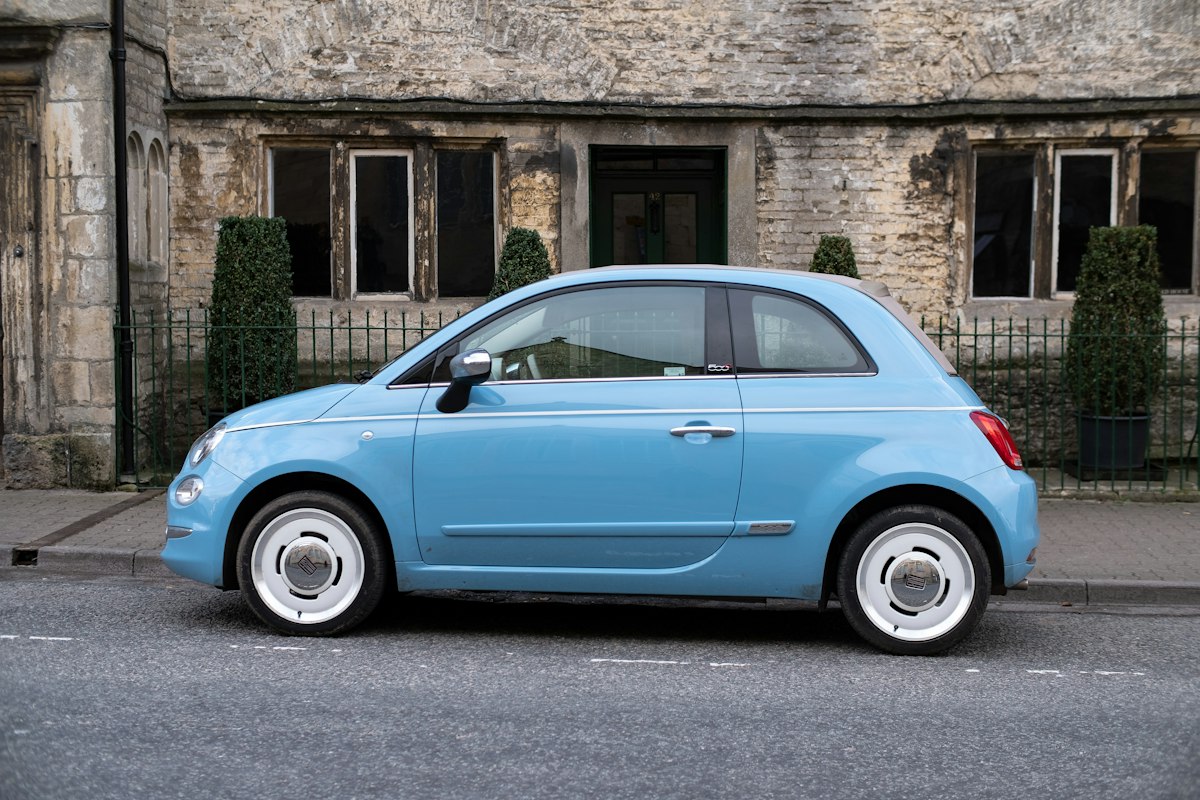
In automotive, Odyssey reports on the order of 77% of real-footage distance without intervention after about 20 hours of simulation—a figure that must be handled with the test-scenario context, not as general autonomy. Still, compressing the sim-to-real bridge to tens of hours is the kind of efficiency robotaxi and logistics stakeholders hear closely.
Flexion, the humanoid line referenced in coverage, illustrates appetite for generalist bodies. A shared world model feeding decoders for humanoids and industrial arms could cut the cost of teaching new tasks. Humanoids Daily emphasizes the platform narrative: not one robot, but a reusable world brain.
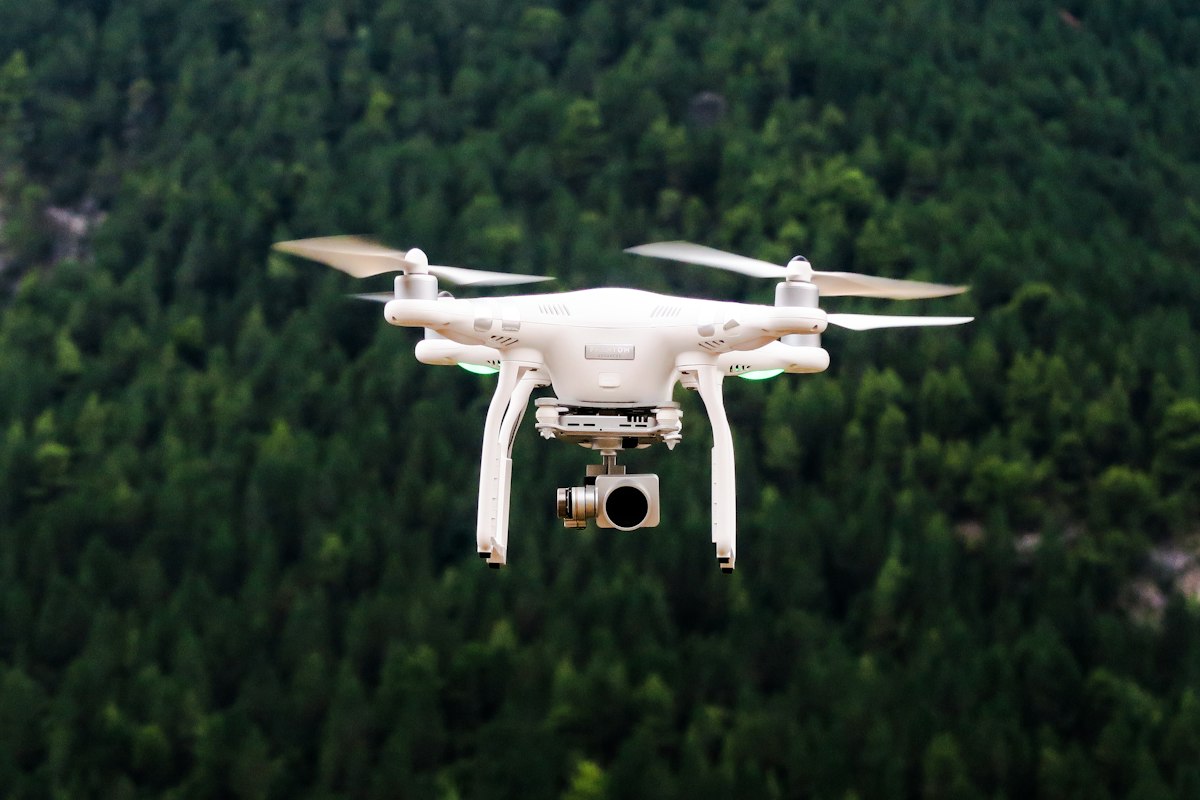
Drones and games complete the spectrum: fast dynamics and synthetic environments where the data flywheel is cheaper. The same backbone that dreams car trajectories can, with another decoder, propose flight policies or game agents. The bet is that the world representation is the asset; morphology is an adapter.
Oliver Cameron and Jeff Hawke bring entrepreneurial pedigree in mobility and autonomy. Their credibility eases fundraising and alliances, but also raises the scrutiny bar: public-release promises often slip. «Coming weeks» will be stopwatched by the press from 17 September 2026.
Technical risks include world-model drift under new distributions, error accumulation on long rollouts, and simulation biases that explode on asphalt or on the shop floor. Freezing the backbone helps stability yet may limit adaptation if the real world changes (weather, lighting, mechanical wear). Decoders must absorb that variance.
From a safety perspective, a powerful world model is also a simulator of dangerous plans. Odyssey-3 will need to document filters, action limits, and teleoperation modes. AI Insider highlights commercial potential; safety teams will demand physical red teams, not only demo videos.
Competition includes other world models and robot foundation-model stacks from large labs. Odyssey differentiates with the autoregressive-diffusion-plus-decoders story and an explicit multi-embodied roadmap. The market will decide whether modularity beats integrated verticals that optimize a single body.
For developers, the practical question is API and weights: will there be downloadable checkpoints, hosted endpoints, or both? The answer will define whether Odyssey-3 is an open platform or a service. The phrase «public release coming weeks» suggests at least external access beyond private demos.
Robotics and AV investors will watch the 77% after 20h sim as a proxy for data efficiency. If it replicates across diverse fleets, geographic adaptation cost falls. If it only shines on a closed circuit, it becomes a footnote. Transparency of the human-intervention protocol is key to interpreting the percentage.
Neural Pulse closes the 17 September slate with Odyssey-3: autoregressive diffusion world model, frozen backbone, decoders for arms, Flexion, cars (~77% real distance intervention-free after 20h sim), drones, and games; Cameron and Hawke; public release promised in coming weeks. The world, once again, is trained so agents can act—with the promise that one dream serves many bodies.
Mixed fleets—arm + drone + yard vehicle—will be the ultimate test of Odyssey-3’s modular thesis. If one frozen backbone yields world knowledge useful to heterogeneous decoders, the company will have justified years of emphasis on world models over narrow policies.
The «coming weeks» public-release window should ideally include model cards with known limits and a responsible-access program. Without that, the launch is marketing; with it, infrastructure.
Humanoids Daily and AI Insider agree Odyssey-3’s timing exploits a market hungry for credible sim-to-real demos after too many protocol-free videos. The 77% after 20 hours sets a numeric anchor others must beat or contextualize.