
AI for climate and scientific simulators
Learned emulators accelerated climate and materials simulations, complementing classic HPC.
Sorted by date · America/Guayaquil timezone
Page 31 / 38 · 447 articles
Learned emulators accelerated climate and materials simulations, complementing classic HPC.

Autonomous-engineer products plan issues, edit repos, and open pull requests with variable human oversight.
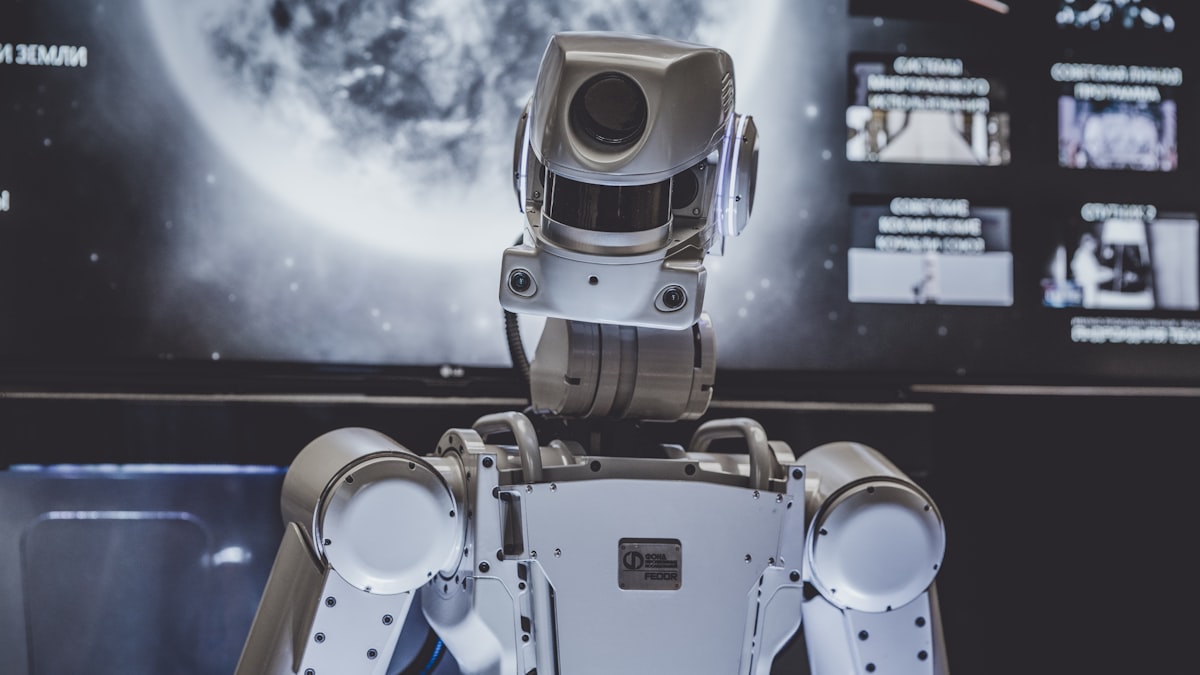
World-model research sought dynamics prediction for planning—beyond pretty pixel generation.

New Llama generations improved multimodality and agents while keeping downloadable weights as industrial strategy.
Meta, Mistral, DeepSeek, and others brought public weights near closed-API performance, redefining “frontier.”
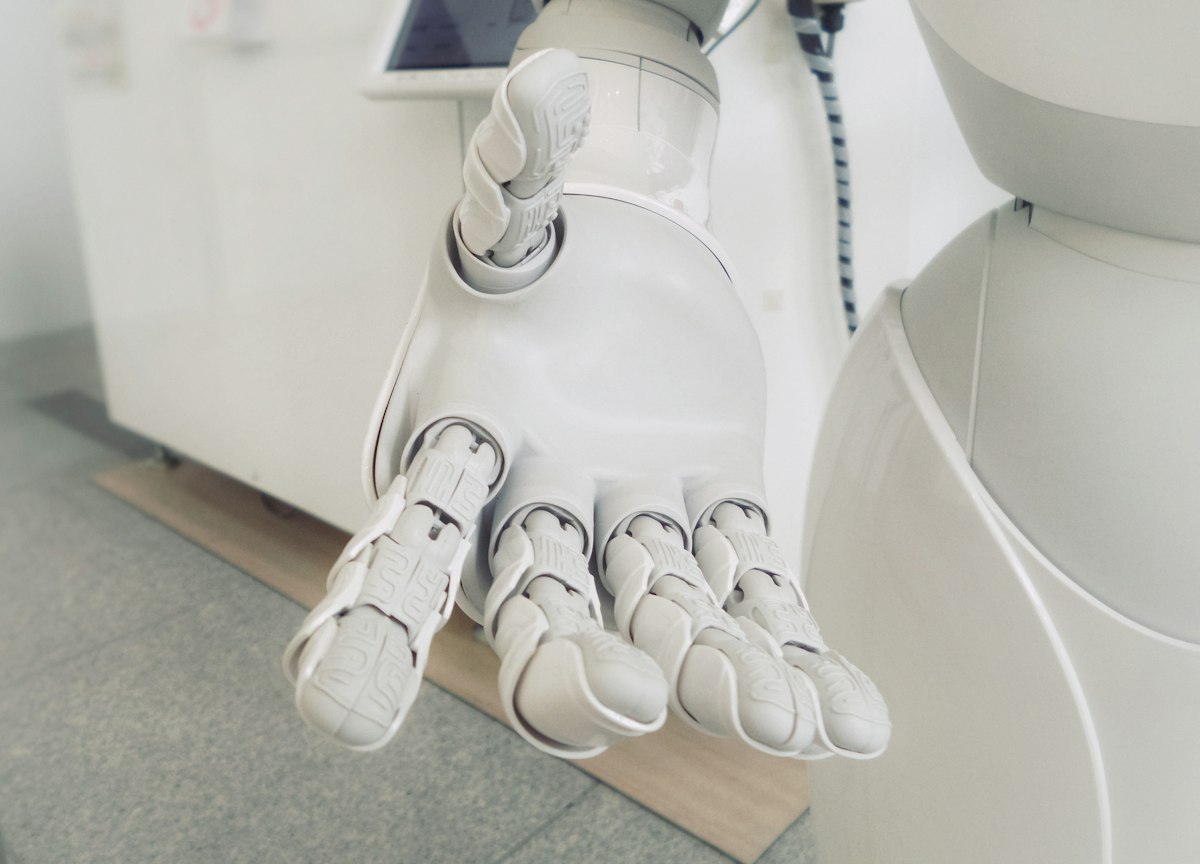
NVIDIA Blackwell, new Google TPUs, and hyperscaler ASICs defined who trains and infers at what cost.

Labs generated synthetic corpora for reasoning and code—with gains and feedback-collapse risks.
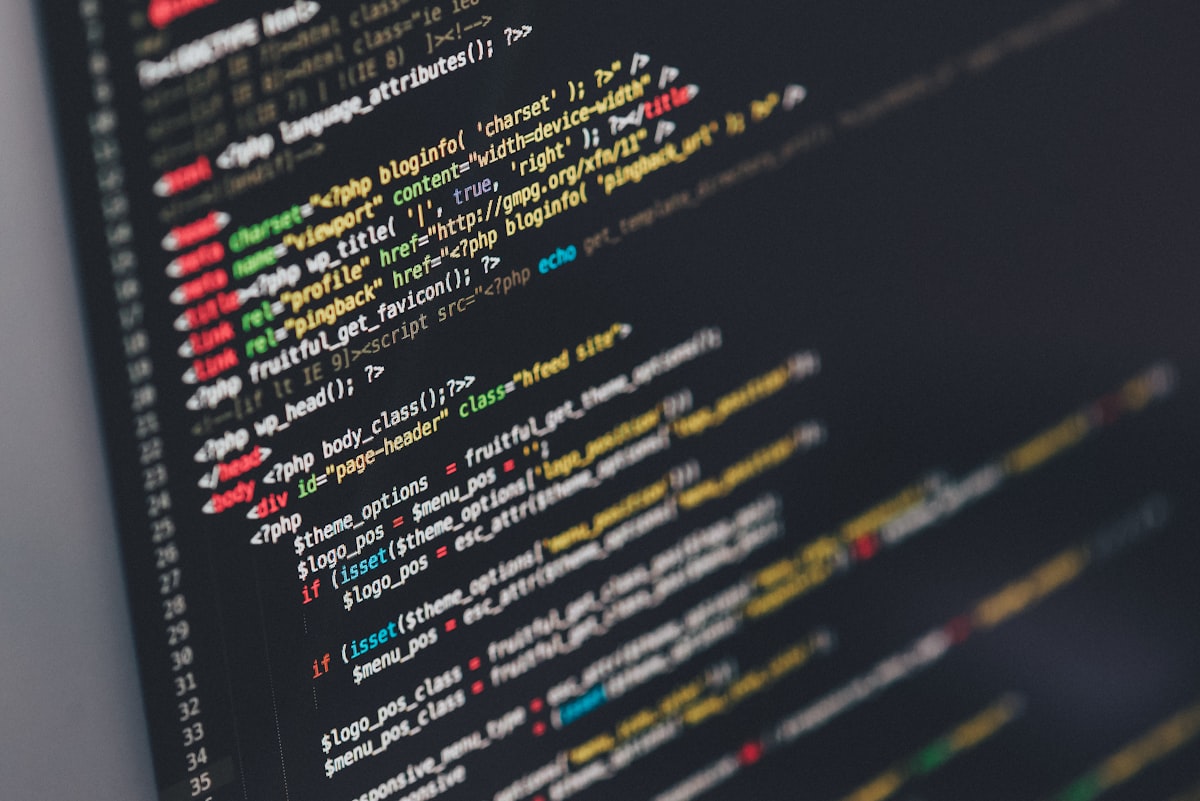
Models optimized to think longer at inference defined 2025, with leaps in math contests and coding agents.
DeepSeek released competitive reasoning models with reportedly low training costs, altering market expectations.
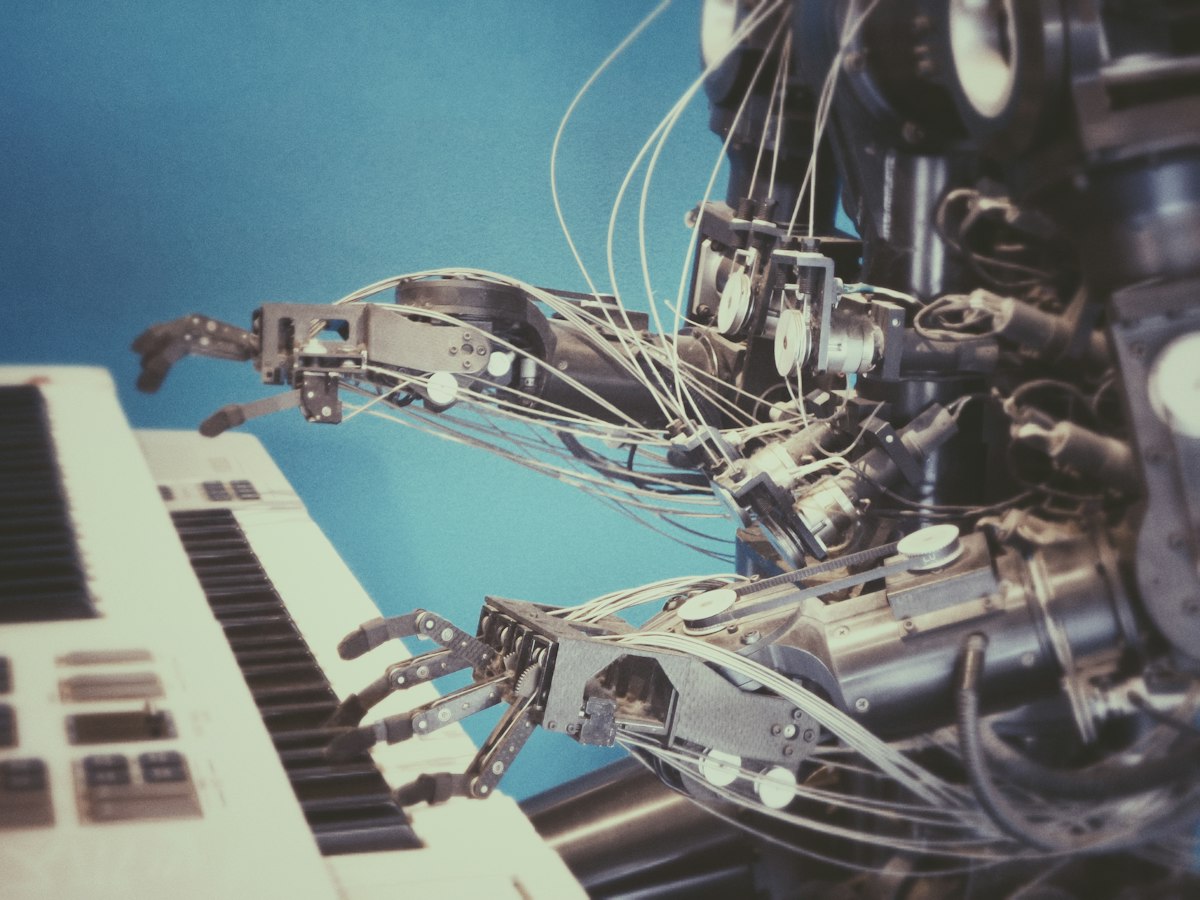
Vision-language-action policies and teleop data advanced generalist manipulation—still far from perfect home robots.
Fine-tuned, quantized 1–10B models brought useful assistants to phones and PCs without a full cloud round trip.

Labs showed models that click, type, and navigate UIs like humans, extending automation without APIs.