
The first AI winter (1970s): promises vs. reality
British government cuts (Lighthill report) and DARPA pullbacks chilled AI after oversized 1960s expectations.
Sorted by date · America/Guayaquil timezone
Page 37 / 38 · 447 articles
British government cuts (Lighthill report) and DARPA pullbacks chilled AI after oversized 1960s expectations.

Terry Winograd’s SHRDLU combined parsing, planning, and a micro-world to converse about manipulable blocks.
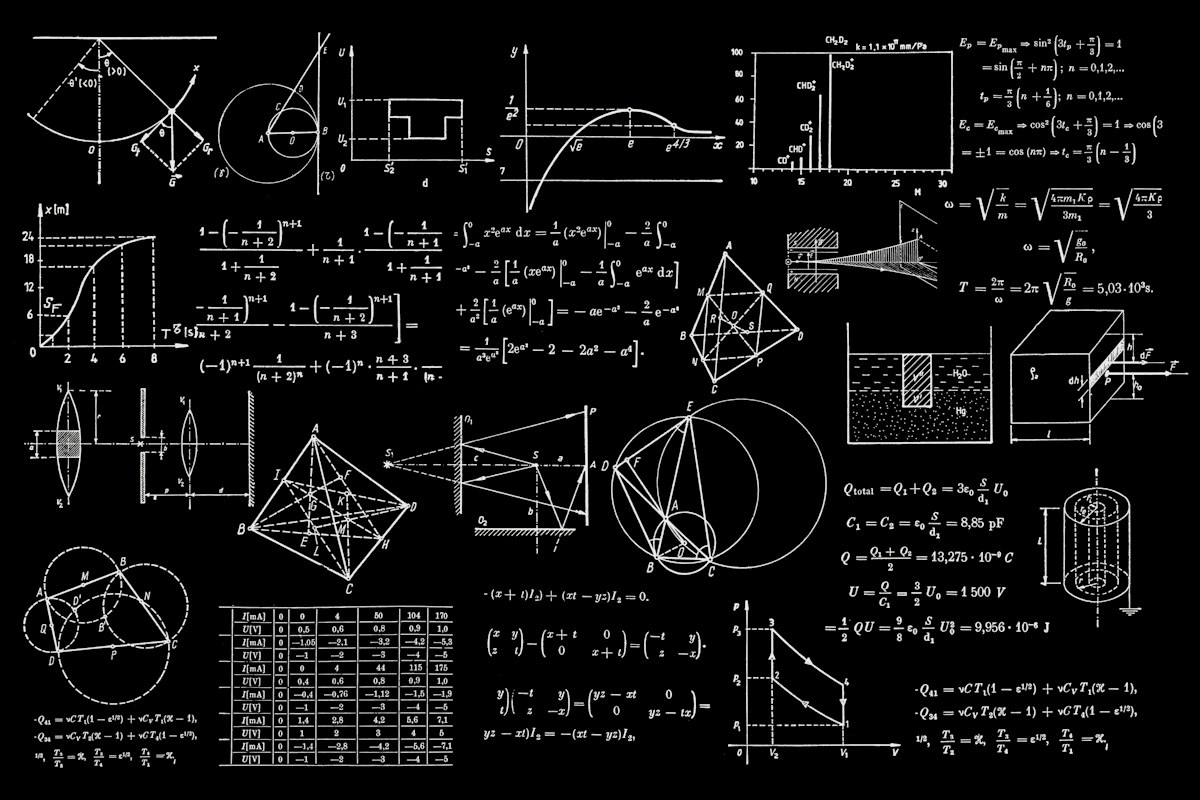
The book Perceptrons argued severe limits of single-layer networks and helped eclipse neural nets for a time.
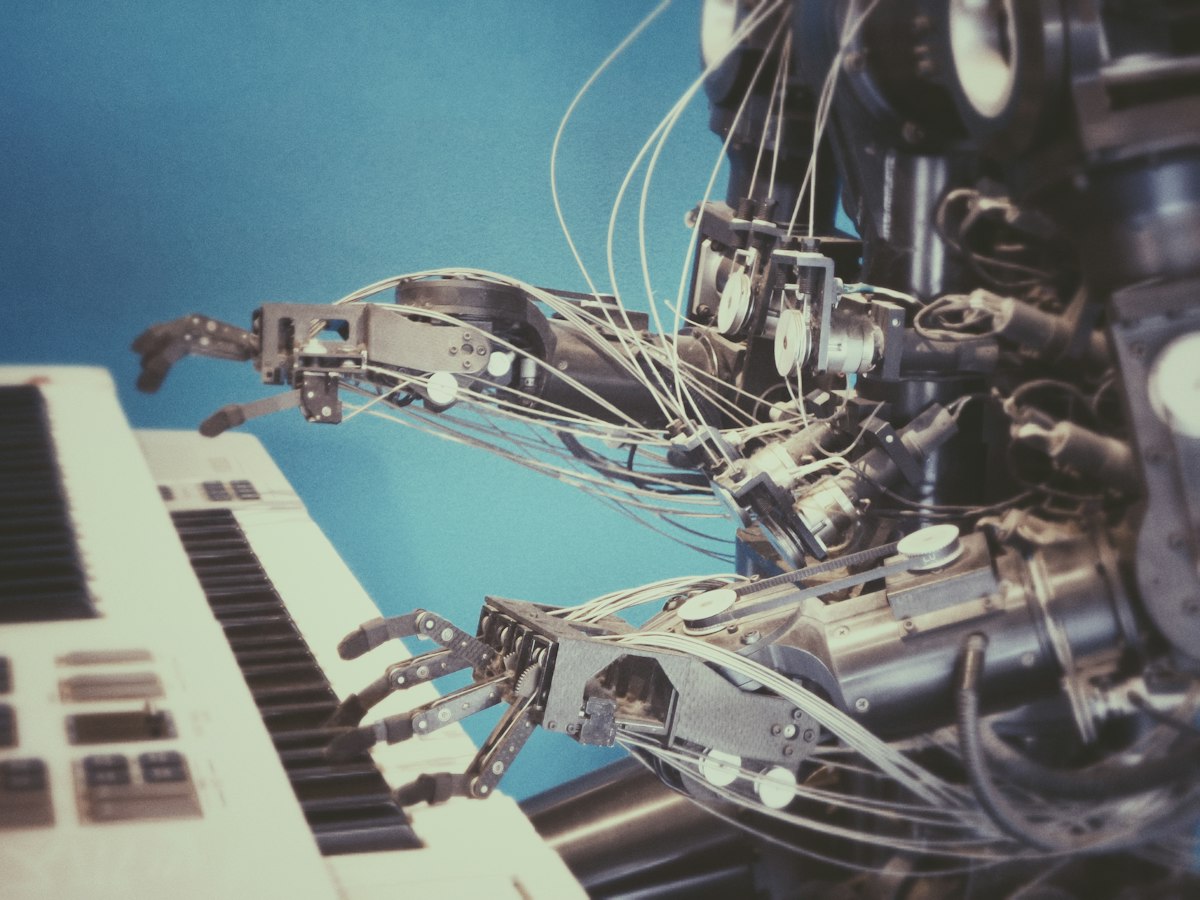
Frank Rosenblatt introduced the Perceptron, a learning machine that adjusts weights from examples—an emblem of the first connectionist boom.

The 1956 Dartmouth workshop, proposed by John McCarthy and colleagues, coined “artificial intelligence” and launched the field.

Shannon’s information theory (1948) and Wiener’s cybernetics (1948) gave mathematical vocabulary to control, feedback, and communication.

Warren McCulloch and Walter Pitts modeled neurons as binary logical units, seeding artificial neural networks.

Turing’s 1950 paper proposed the “imitation game” and framed the operational question: can machines think?
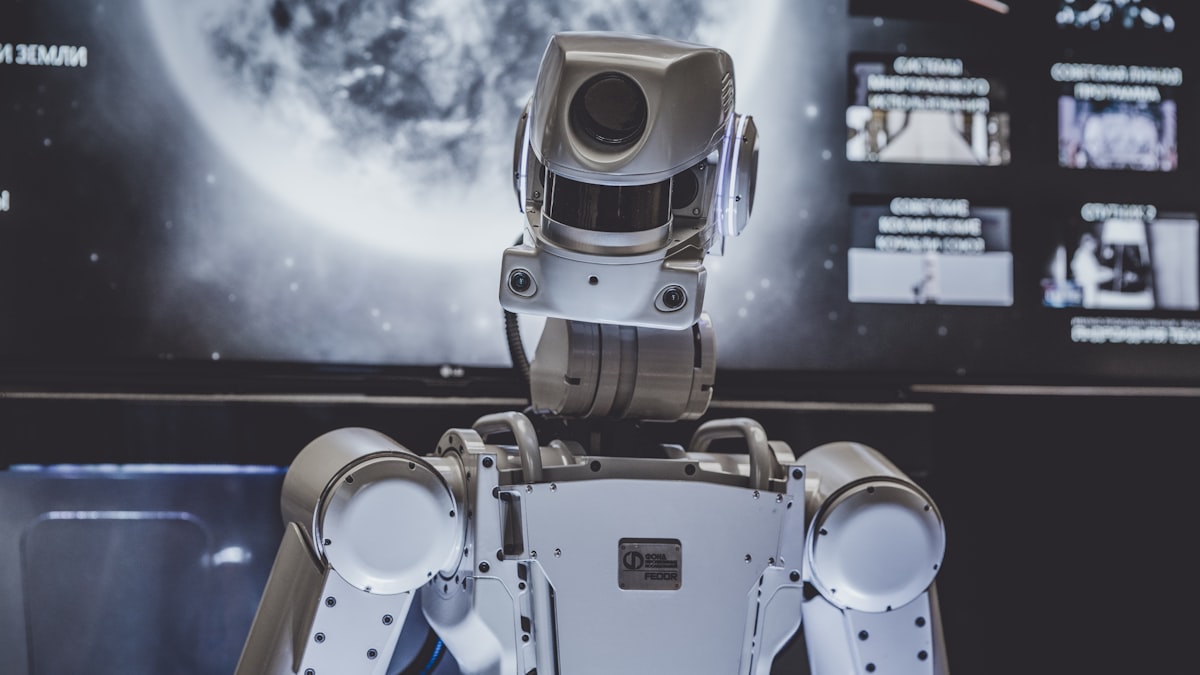
Alan Turing defined an abstract model of computation and proved the undecidability of the halting problem, founding computer science.

Kurt Gödel’s incompleteness theorems showed that no sufficiently rich formal system can capture all arithmetic truth.

David Hilbert asked whether a finite procedure can decide any mathematical statement; the negative answer opened computability theory.

In 1843, Ada Lovelace described an algorithm for Babbage’s machine and distinguished numeric calculation from symbol manipulation.